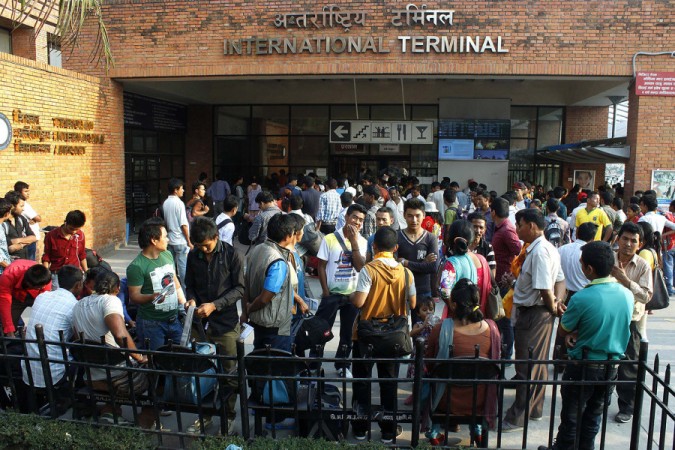
The classic and most frequently used sources of Nepali
migrant workers in search of foreign job opportunity are the Gulf nations or
countries that are also known as the GCC (Gulf Cooperation Council) states.
The main reason why the GCC countries are appealing to
Nepali workers is that the countries are in need of low- to semi-skilled labor
in the construction sector, domestic labor, hospitality industry, security and
manufacturing. By the beginning of 2026, the most active Gulf destinations will
be UAE, Saudi Arabia, Qatar, and Kuwait and Bahrain and Oman will have smaller,
but consistent numbers.
1.
United
Arab Emirates (UAE)
The UAE is also the most
popular or leading destination of Nepal workers over the last few fiscal year
(i.e., in the first 2 months of FY 2025/26 alone, about 37,000 new approvals
were made) or the top destinations. Dubai specifically attracts the highest proportion
because it has huge construction works, tourism and service economy. The Nepali
construction workers are extensively employed in construction of skyscrapers,
hotels, malls, and infrastructure (e.g., of Expo remnants and current
developments). Some of the common ones are construction laborer, scaffolder,
mason, cleaner, security guard, hotel housekeeping, restaurant helper and
domestic work. Such conditions include long hours (10-12hours a day), excessive
heat in the summer season, and accommodation/food provided by the employer in
most instances. The attraction is in a relatively higher salary, urban
metropolis, and a better infrastructure than in other Gulf destinations, but
recruitment costs and health risks in the heat are also an issue.
2.
Saudi
Arabia
Saudi Arabia has
rebounded to be a key destination in 20252026, typically second or third in
monthly approvals (e.g., high levels in late 2025 following UAE restrictions or
switched to low-cost carriers). The infrastructure development of the kingdom (Vision
2030 NEOM, Riyadh developments, tourism projects) poses enormous demand. The
major construction sites, domestic work (particularly female domestic workers),
security and maintenance of facilities are dominated by Nepali workers. Some of
the factors are strict labor laws following recent reforms (e.g., more mobility
in response to kafala changes), yet there are heat, distant locations, and
protracted contracts. It appeals to workers because of the huge projects that
provide overtime and consistent demand, however, it has suffered criticism on
deaths of workers and rights issues.
3.
Qatar
Qatar has a large Nepali
community (their population is estimated hundreds of thousands), and the need
continues to exist after the infrastructure legacy projects of the world cup,
as well as the new developments of Doha and others. The common workers are
those working in construction (stadium/maintenance follow-up),
hospitals/hotels, security as well as domestic workers. The situation was a
little better under international pressure (e.g. better heat protections and
wage standards), and the majority of employers offered camps and meals. Qatar
is an attractive place to work because it offers good salaries in skilled
manual jobs and quite up-to-date facilities, but the heat and contract-related
issues are still a challenge.
4.
Kuwait
Kuwait is a reliable
top-5 destination (usually 510% of the outflows), with Nepali workers being
recruited to work as domestic servants (high concentrations of female domestic
workers), construction, cleaning, security and hospitality. Household and
service jobs are high in the country. There are also conditions of live in
arrangements of domestics and employer sponsorship whereby current bilateral
initiatives are enhancing protections. It attracts the attention of many
through the steady demand, particularly to the migrants of the female gender,
and comparatively simple recruitment pathways.
5.
Bahrain
Bahrain does not attract
many Nepali laborers as compared to the big four yet it is included in the GCC
block. The occupations are construction, hospitality (hotels in Manama),
security and domestic jobs. The smaller size implies fewer rural based jobs
that have superior access to services. It draws employees who are in need of an
alternative to the bigger markets and some of the gains in labor rights are a
result of the recent reforms.
6.
Oman
Oman has the least
proportion of Nepali workers in the GCC yet has thousands of Nepali workers
(primarily in the construction, domestic service, hospitality, and oil support
sectors) in the country (Muscat and Salalah regions). Some of the conditions
are improved work-life balance in the workplace and scenic/rural placement. It
has a less aggressive gulf promise that has increased tourism.
To get the most recent monthly data or individual
country quotas, visit the official site of Department of Foreign Employment
(DoFE): https://dofe.gov.np/ Verified
processes are important in the context of safe migration to ensure protection
of rights and maximum benefits. You can request more specific details in case
you have a particular Gulf country or a type of job in mind.