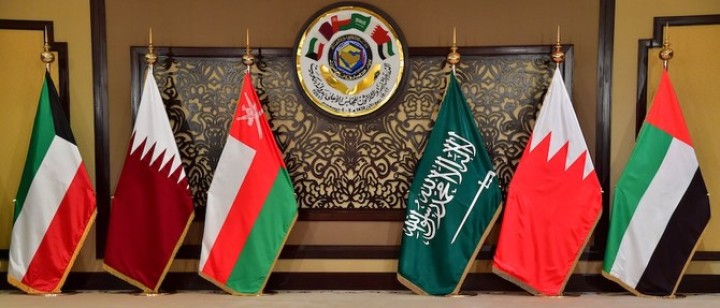
The
countries of the Gulf Cooperation Council (GCC) Bahrain, Kuwait, Oman, Qatar,
Saudi Arabia, and the United Arab Emirates (UAE) remain the pillars of the
foreign employment landscape in Nepal despite the accelerated diversification
towards Europe, Japan, South Korea, and other areas. Recent statistics of the
Department of Foreign Employment (DoFE) in Nepal and publications such as the
Nepal Labour Migration Report 2024 are indicating a rise in migration levels
after the pandemic and ongoing pressures and changes in preferences among
employees.
Present Migration
Volumes and Shares (20252026 Trends)
Due
to a high influx of foreign jobs in Nepal, the initial months of fiscal year
2025/26 (Shrawan to Kartik, about mid July to mid November 2025) reported a
high number of foreign employment approvals. As an example, the first two
months alone have seen more than 90,000 new workers leave and this is a 17.9
percent increase on a year-on-year basis. A large fraction of these flows was
taken up by the GCC countries, with the UAE being a consistent leader
(typically 40%+ of all new approvals in a given monthly snapshot), but Saudi
Arabia, Qatar and Kuwait following. Monthly reports since late 2025 indicate
frequently the UAE on top of lists (e.g., 21,121 permits in one mid-December to
mid-January month), and occasionally Saudi Arabia leaping up the ladder to
replace it temporarily because the UAE processes have tightened, or quota
positioning has moved.
All
in all, the GCC cluster (containing renewals) usually covers 60-80% of the
total approvals in the last periods, however, precise figures vary by the
month. The four countries that comprise the centre quartet are UAE, Saudi
Arabia, Qatar and Kuwait, which tend to contribute more than 70 percent of GCC
bound-workers. Bahrain and Oman are lesser offerings but are also reliable
choices, especially when it comes to domestic and service jobs. Estimates
calculate approximately 1.3-2 million Nepali nationals working in the GCC today
and since the early 2000s, the numbers have surpassed their counts in millions.
Important Factors
of further GCC attraction
The
popularity of the GCC destinations over the years has been due to a number of
structural factors. The latter countries have a huge consumption of
low/semi-skilled workforce in the construction (mega-kmega-projects under
Vision 2030 in Saudi Arabia, post-World Cup legacy in Qatar, the current
projects in UAE), hospitality/tourism, domestic work, security, and facility
services. The wages continue to be 5-10 times bigger than in Nepal to do
unskilled jobs, allowing huge remittances that send-back over 25% of the GDP of
Nepal (approximately USD 11 billion every year in the recent past). Workers can
save a good amount of money since the employer pays accommodation, food and in
some cases transportation which go down in the cost of living.
The
kafala sponsorship system, which has been the subject of criticism, has
undergone reform in recent years, including better protection of wages,
mobility choices, and heat safety in Qatar and Saudi Arabia, which have turned
these markets into more attractive places than they used to be. Established
pipelines are ensured by bilateral contacts and formal recruiting channels
(through DoFE-licensed agencies), and numerous employees have been coming back
to sign a new contract.
New Bottom line
and threats
The
GCC direction has significant risks despite the economic pull. Debt burdens are
caused by high recruitment fees in Nepal (which were frequently beyond the
official limits). The excessive summer temperatures have been attributed to
health complications and deaths and the GCC and Malaysia have recorded a
significant proportion of reported migrant workers deaths. There are long hours
(1012 hours a day, 6 days a week), no job mobility, and some instances of
contract violation, although the abuses have been alleviated through reforms.
Women employees, especially those working in the house (as it is frequent in
Kuwait and UAE), are more susceptible to solitude and slavery
Trends on Diversification
and the Changing Landscape
Although
the GCC still prevails, it can be seen that data of 20252026 show faster
diversification. Euro and East Asian (Japan, South Korea) approvals have been
increasing at a fast pace, with Japan recording 42 percent growth in certain
timeframes and the East European region supplying caregiving and factory
shortages. The recovery (following slumps) of Malaysia and EPS program of South
Korea also provides alternative. This is partly caused by changes in the Gulf quota,
increased security inspections after 2025 Nepal protests and the view of
superior protections, dignity, and future opportunities elsewhere.
According
to the Nepal Labour Migration Report 2024, GCC and Malaysia continue to
dominate the new approvals of 81%+ in 2022/23–2023/24, but emerging markets are
an indicator of more trends. Researching Gulf employment has traditionally
financed additional migration (e.g., savings that allow Europe-bound moves),
still, younger employees are finding alternatives that are more dignified.
Outlook into 2026
and Beyond
The
GCC is expected to experience strong demand because of existing infrastructure,
tourism recovery, and demographic demands, but the limits of unskilled inflows
could be reached by nation-building policies (Saudization, Kuwaitization). The
government of Nepal proposes bilateral agreements (e.g., future Nepal-Saudi
contract with a focus on skilled workers), and ethical recruitment to better
safeguard. GCC remittances will remain crucial, yet to continue growing
sustainably, it is necessary to focus on domestic labor creation, skill certification,
and safer avenues.
To
Nepali workers, the Gulf is a promising economic prospect that should be used
with caution: employ DoFE-approved agencies, read all contracts, expect severe
conditions and observe health/safety. Diversification indicates shifting
desires, the balancing of the short and long-term profits, which defines the
migration prospects of Nepal. To access the most recent monthly data of DoFE,
go to https://dofe.gov.np/. Secure, informed migration is the best way to get
maximum benefits to the people and the country.